
privacy glass wall
high performance butterfly valves manufacturers .
about
privacy glass wall
The Vital Role of Truss Nail Plates in Structural Integrity In the intricate world of construction and engineering, every component plays a crucial role in ensuring the stability and longevity of structures. Among these components, truss nail plates stand out as indispensable elements in the fabrication of timber trusses, significantly contributing to the overall strength and reliability of roofs and floors in residential, commercial, and industrial buildings. These small yet powerful connectors are a testament to the adage that great things often come in small packages. Truss nail plates, also known as truss plates or metal connector plates, are flat sheets of galvanized or stainless steel punched with rows of sharp teeth designed to penetrate and securely fasten wooden members together. Their primary function is to transfer loads efficiently from one timber piece to another within a truss system, thereby enhancing the structure's load-bearing capabilities and resistance to shear and tension forces. The Technology Behind Truss Nail Plates The development and widespread adoption of truss nail plates revolutionized timber construction. Prior to their introduction, traditional joinery methods like mortise-and-tenon or dovetail joints were commonly used, which were time-consuming and required high levels of craftsmanship. Truss plates, on the other hand, offer a more efficient and cost-effective solution, allowing for faster assembly and consistent quality control. Modern manufacturing processes employ precise machinery to punch and shape the metal into plates with specific patterns tailored to the type and size of the truss being constructed. Galvanization ensures corrosion resistance, prolonging the life of the truss and minimizing maintenance requirements. Advanced engineering software now enables designers to optimize plate placement for maximum structural efficiency, taking into account factors such as wood species, load requirements, and environmental conditions. Importance in Structural Integrity Truss nail plates play a pivotal role in maintaining the structural integrity of timber trusses by addressing several key aspects 1. **Strength and Stability** By evenly distributing loads across the connected timbers, they enhance the truss's ability to withstand various forces, including wind loads, snow loads, and even seismic activity, depending on the design specifications. 2. **Rigidity** The plates increase the rigidity of the joint, reducing the likelihood of deflection under load, which is crucial for maintaining the shape and alignment of the roof or floor system over time **Rigidity** The plates increase the rigidity of the joint, reducing the likelihood of deflection under load, which is crucial for maintaining the shape and alignment of the roof or floor system over time **Rigidity** The plates increase the rigidity of the joint, reducing the likelihood of deflection under load, which is crucial for maintaining the shape and alignment of the roof or floor system over time **Rigidity** The plates increase the rigidity of the joint, reducing the likelihood of deflection under load, which is crucial for maintaining the shape and alignment of the roof or floor system over time truss nail plates . 3. **Ease of Assembly** Prefabricated truss systems utilizing nail plates simplify and speed up on-site construction, as they can be quickly assembled using pneumatic nail guns, reducing labor costs and construction time. 4. **Versatility** Truss nail plates accommodate a wide range of truss configurations, from simple king post trusses to complex scissors trusses, enabling architects and engineers to design structures that are both functional and aesthetically pleasing. 5. **Economy** Compared to traditional joinery techniques, truss plates offer a more cost-effective solution without compromising on structural performance, making them a popular choice in modern construction practices. Safety Considerations While truss nail plates provide numerous benefits, their effective use relies heavily on adherence to strict design standards and installation guidelines. Improper placement, incorrect nailing patterns, or using substandard plates can compromise the structural integrity of the truss, potentially leading to failures. Regular inspections and quality control measures during manufacturing and on-site assembly are essential to ensure compliance with building codes and safety standards. In conclusion, truss nail plates are a testament to the synergy of innovation and tradition in construction. These humble yet highly effective components have transformed the way we build, making timber structures stronger, more efficient, and more versatile than ever before. As construction technologies continue to advance, the role of truss nail plates in ensuring the safety and longevity of our built environment remains a cornerstone of modern engineering practice.
-

High quality industrial productsagement

High quality industrial products
View Details -

Meet the diverse needs of customers

Meet the diverse needs of customers
View Details -

Strict quality control

Strict quality control
View Details -

Top raw materials

Top raw materials
View Details -

Trusted supplier

Trusted supplier
View Details
Our application


news and information
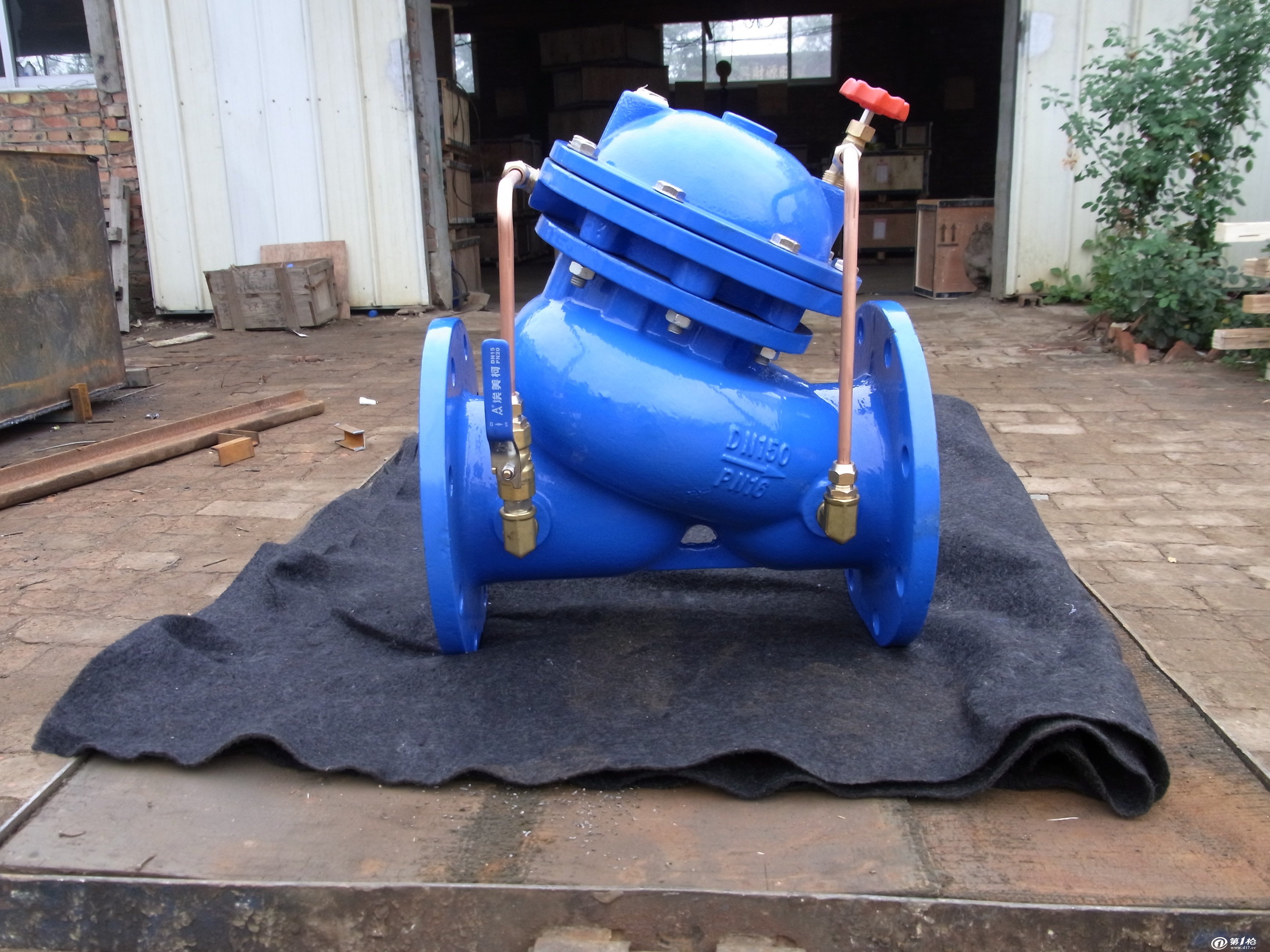
Vente de clapets anti - retour
Vente de vannes anti-retour Un choix judicieux pour votre système hydraulique Les vannes anti-retou
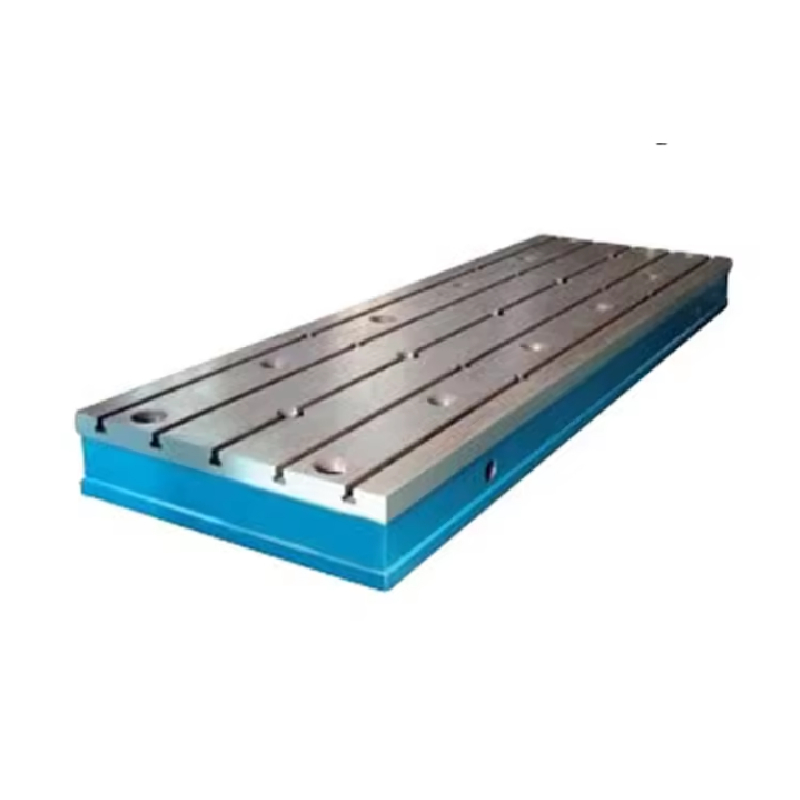
Versatile 4x6 Welding Table for Efficient Metal Fabrication and DIY Projects
Enhancing Your Workshop with a 4x6 Welding Table When it comes to welding, having the right workspac
Versatile 3x6 Welding Table for Efficient Metalwork and Fabrication Projects
The Essential Guide to 3x6 Welding Tables Boosting Your Fabrication Skills Welding is an art and a s
 English